The Sawmiller’s Daughter
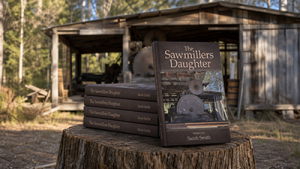
The Sawmillers Daughter is a sweeping Australian Historical fiction saga of grit, loyalty and determination
DIGITAL MARKETING FOR AUTHORS.

FRONT PAGE BOOK PROMOTION


EDITING FOR AUTHORS


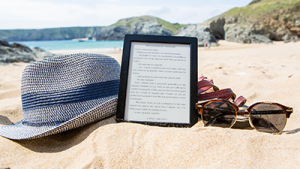
In today’s busy world, finding time to read a full-length novel can feel almost impossible. That’s where Kindle Short Reads come in — Amazon’s dedicated collection of bite-sized books designed to fit into your hectic life.
Kindle Short Reads are a special category on Amazon that features shorter books, typically ranging from 15 minutes to 2 hours of reading time. These books are perfect for quick commutes, lunch breaks, or winding down before bed. You’ll find a wide variety of content — from gripping fiction to powerful self-help tips — all neatly organized by estimated reading time.
Instead of scrolling endlessly for something short to read, Kindle Short Reads lets you jump straight to exactly what you’re looking for.
Kindle Short Reads cover all major genres, including:
Whatever your taste, there’s a Short Read that fits.
You can also simply type “Kindle Short Reads” into the Amazon search bar, and a curated list will pop up.
A dedicated website for Australian authors of ‘Short Reads’ has just been developed and is being populated with eBooks by genre as we go to press. It will fill fast so, keep an eye on it. Click Here to access.
Short Reads aren’t just for readers — they’re a fantastic opportunity for writers. Authors can publish shorter works more easily and reach readers who crave fast, satisfying stories. It’s also a great way to build an audience, experiment with ideas, or share bite-sized expertise.
Final Thoughts
Whether you’re squeezing in some quick inspiration or diving into a mini adventure, Kindle Short Reads make reading more accessible than ever.
Next time you have a few minutes to spare, why not open your Kindle app and discover a whole world inside a few short pages?
The Kindle App is free to download in your app store.
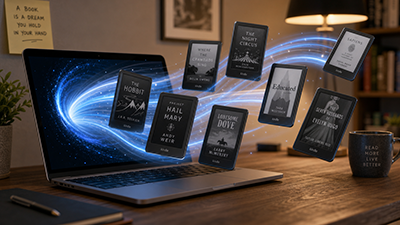
IN the June/July edition of Scope, I published an article on the growing publishing sector of ‘Kindle Short Reeds’
This sector continues to grow exponentially in all major markets globally, with genres such as romance, crime fiction, science fiction and non-fiction proving popular, although all of the popular genres enjoy success.
The now generation are looking for quick reads for limited time availability.
Stories are usually marketed by the length of time it takes an average reader to read them i.e. 30 minutes, 90 minutes, two hours etc.
I actually put the time on the cover of each story. You can also include it in the blurb of the story. If you google ‘How long does it take to read the number of words your book has, it will give you an average time.
It is relatively easy to create an eBook on Amazon (KDP). Amazon provides step by step instructions or there are many YouTube videos you can follow.
The first thing to do is sign up for an Amazon KDP account.
When you have written you manuscript, mine are between 5000 and 25000 words, get an attractive cover made (Or make it yourself. The same rules apply to eBooks as with print books, make sure they are edited properly, formatted and look professional. You can do all of these things yourself (I do) or pay someone to do it.
The best practice is to load it to KDP for publishing on Amazon and enter it into their ‘Kindle Unlimited’ program (This is where member readers can read registered books for free and you get paid for each page of your book that’s read.) If they are not members, they can buy the book. Depending on the length 0f the book, I usually set prices between 99c and $3.99.
You will be asked which market you wish to be sold in. I choose the US (Amazon.com) as it is huge, and because it is a download without shipping, Australian readers and indeed readers from all countries, can download in seconds.
You can also make your own eBooks; there are many programs these days to facilitate this. I use a program call ‘Calibre’. You can save it in different file types, the most versatile being ‘epub’ Kindle uses this. (You can add your cover to the process.)
If you have a Kindle or the Kindle app downloaded to your phone or tablet. (If not, do it, it’s free). Then if you go to the Kindle settings, you will see your Kindle email address. Now if you email your ‘epub’ file to that email address, the book will appear in your Kindle library. In a few seconds.
It’s possible to sell your ‘epub’ books as downloads from your website, then your readers can purchase and send the file to their Kindle or kindle app.
I haven’t set this up yet but it’s on my to-do list. Meanwhile just do it through Amazon. Some writers are making a motsa.
A big plus is that you can build catalogue of titles quickly, which is one of the secrets of marketing books.
Give it a go. If you are not good with tech and need help, I can do that for a small fee. I do all except edit. I don’t edit other people’s work.
You can reach me at ru*****@**************om.au
My books so far are here There are more to come in the Rural Crime genre with my new protagonist ‘Jackson Crafter’. Keep an eye out.
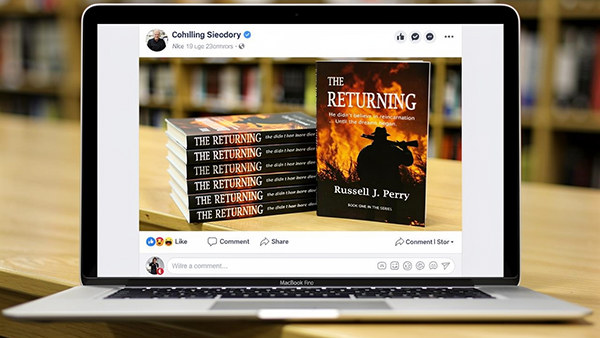
Depending on your demographic, Facebook is still by far the best platform to link with your audience. 80% of adults between 30 and 65 use Facebook for their online information. But you must interact with your contacts regularly to get the maximum benefit from it.
An example would be, if you promote your book with ‘Australian Authors’ Marketplace’,
https://australianauthors.net.au/book-promotion/ ,
go to and follow each of the platforms the promotion will appear on
Follow these pages so that the posts will appear on your feed. When they do, Like and share your post to your FB page and any others you have access to. Encourage your friends to do the same. This will significantly amplify the reach of your promotion.
Liking a post is a quick way to show interest, agreement, support or appreciation. A like may seem small, but it tells the person who posted that their content has been noticed. It can also signal to Facebook that the post is engaging, which may increase the chance that similar content appears in a user’s feed.
Sharing a post goes further than liking because it places that content in front of a wider audience. When users share promotional posts, they help spread messages beyond the original poster’s network. This is very useful for promoting your post across the platforms.
Liking and sharing posts on Facebook are simple actions, but they have real influence. They can strengthen audiences, grow your following and inform more readers about your work. Get To It!
Depending on your demographic, Facebook is still by far the best platform to link with your audience. 80% of adults between 30 and 65 use Facebook for their online information. But you must interact with your contacts regularly to get the maximum benefit from it.
An example would be, if you promote your book with ‘Australian Authors’ Marketplace’,
https://australianauthors.net.au/book-promotion/ ,
go to and follow each of the platforms the promotion will appear on
Follow these pages so that the posts will appear on your feed. When they do, Like and share your post to your FB page and any others you have access to. Encourage your friends to do the same. This will significantly amplify the reach of your promotion.
Liking a post is a quick way to show interest, agreement, support or appreciation. A like may seem small, but it tells the person who posted that their content has been noticed. It can also signal to Facebook that the post is engaging, which may increase the chance that similar content appears in a user’s feed.
Sharing a post goes further than liking because it places that content in front of a wider audience. When users share promotional posts, they help spread messages beyond the original poster’s network. This is very useful for promoting your post across the platforms.
Liking and sharing posts on Facebook are simple actions, but they have real influence. They can strengthen audiences, grow your following and inform more readers about your work. Get To It!
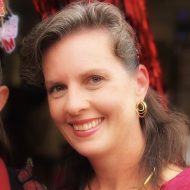
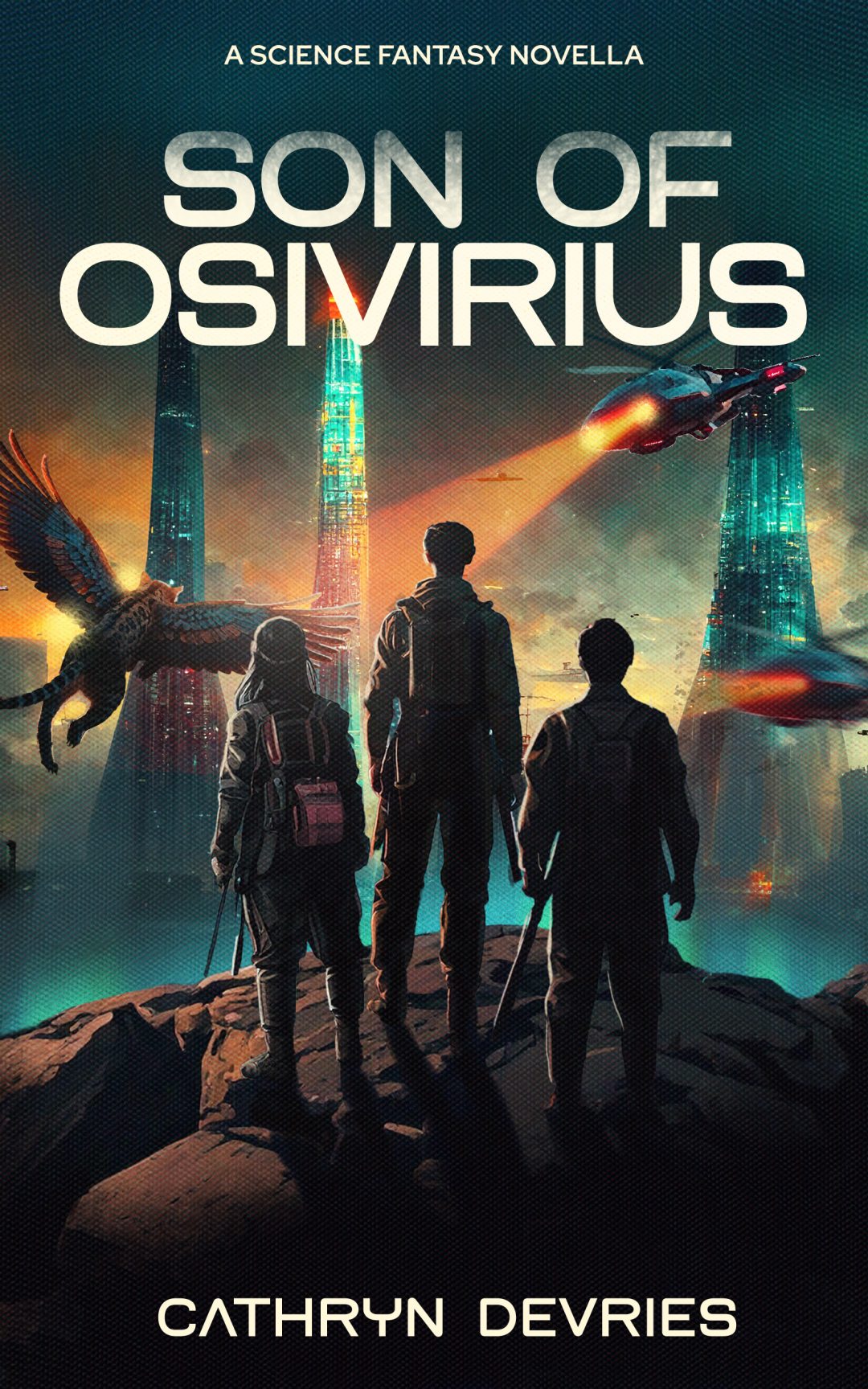
Interview with Australian Author – Cathryn deVries
“Australian Authors” – Tell us a little about yourself? Perhaps something not many people know?
Cathryn – I became a writer by accident after a spur-of-the-moment decision to chronicle the family DnD campaign my eldest daughter wrote for us to play. I studied aeronautical engineering (of course) and I’m a proud left-hander.
“Australian Authors” – What made you want to become a writer?
Cathryn – I absorbed stories from a very young age. My mum tells me I had memorised Cinderella at 3, and I started writing and illustrating my own stories as soon as I could write words. But it was my daughters who inspired me to take the (very awful) first draft of the chronicle and turn it into something publishable. They could see how writing brought me alive.
“Australian Authors” – What gives you inspiration for your book(s)?
Cathryn – My daughters are a big source of inspiration, but I always want to have a POINT to my work, and that comes from the things I’ve wrestled with through life–emotional wounds, insights, problems I see in the world. Plus of course the vast number of fantasy and science fiction books I read that are now a permanent part of my subconscious.
“Australian Authors” – Now, the big question, are you working on another book?
Cathryn – Yes! I am currently working on the second book of the romantic fantasy trilogy that the DnD game became. The trilogy was picked up by a small press, so I have a deadline!
“Australian Authors” – What genres do you prefer to write in?
Cathryn – Fantasy and science fiction of course!
“Australian Authors” – What do you think about the ebook revolution?
Cathryn – I’m glad people have that option, and I have ebooks from my indie author friends that I’d never be able to buy otherwise, but I will always prefer to read a print book.
“Australian Authors” – Do you start a book with a definite plot, or do you just write?
Cathryn – I need a climax and a point to begin drafting (usually). I need something to write towards, but I discover a lot of the details along the way.
“Australian Authors” – Pen or type writer or computer?
Cathryn – Computer. It’s easier long-term. But I always journal with pen and paper, and keep lots of notes in notebooks. I find free writing a lot easier with pen and paper too.
“Australian Authors” – Do your characters seem to hijack the story, or are you always in control?
Cathryn – They never hijack the story, but they do teach me things.
“Australian Authors” – Are your characters based on real people or completely imagined?
Cathryn – Many of them share characteristics with people I know, but none of them are a complete copy/paste.
“Australian Authors” – Have you thought about joining with another author to write a book?
Cathryn – I already have! My eldest daughter became my co-author for our trilogy. My youngest daughter wants me to ghost write or co-author with her as well!
“Australian Authors” – Who are your favourite authors?
Cathryn – JRR Tolkien, Brandon Sanderson, Anne McCaffrey, Raymond E Feist, Janny Wurts, Suzanne Collins, Isobelle Carmody
“Australian Authors” – What’s your advice to Authors? On writing? Publishing? Marketing?
Cathryn – Invest in yourself. Take a writing course or three. Don’t be afraid of feedback/critique, you need it to improve. I’ve actually written a blog post on this question. It can be found at https://eclectaperennial.com/blog/10-steps
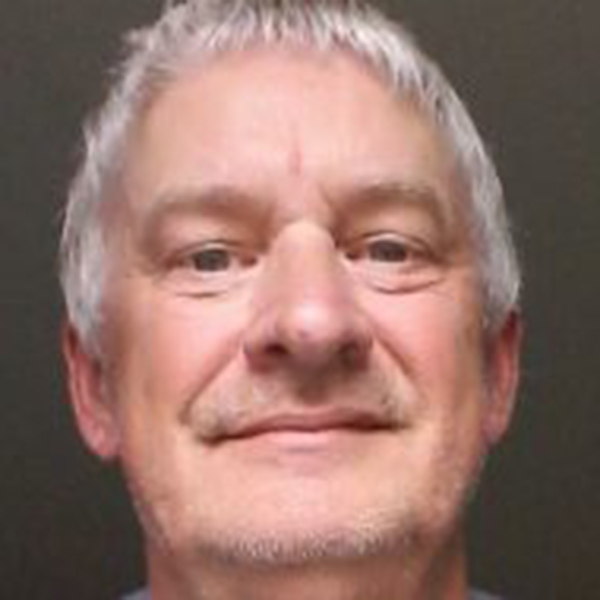
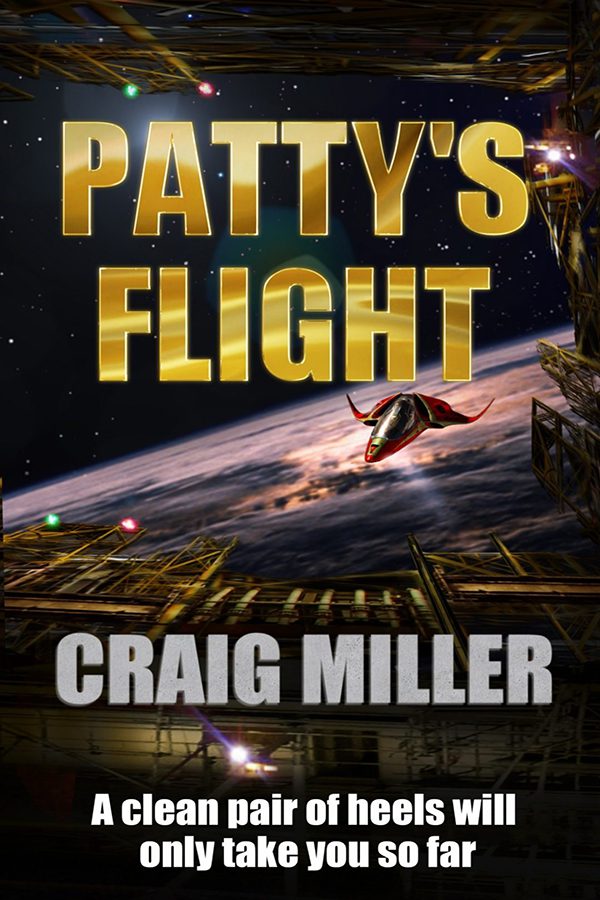
Interview with Australian Author – Craig Miller “Australian Authors” – Tell us a little about yourself? Perhaps something not many people know?
Craig – Although born in Australia, having spent 35 years in New Zealand, I feel more Kiwi than Aussie.
“Australian Authors” – What made you want to become a writer?
Craig – Reading. Discovering a library of books in primary school made me realise that there was an outlet for the ‘make-believe-stories’ that paraded through my mind.
“Australian Authors” – What gives you inspiration for your book(s)?
Craig – A spark, a particular scene pops into my mind, and the story unfolds in multiple directions from there. It’s then up to me to winnow away the chaff to find the kernel.
“Australian Authors” – Now, the big question, are you working on another book?
Craig – Yes. I’m about to launch ‘Talismans’, part one of an epic fantasy, and ‘A Hole In Her Pocket’, an urban fantasy, is currently being edited.
“Australian Authors” – What genres do you prefer to write in?
Craig – I live and breathe Science Fiction and Fantasy. IMHO, all novels are fantasy, especially romances.
“Australian Authors” – What do you think about the ebook revolution?
Craig – The advent of ebooks has disrupted the publishing industry. I have tried to attract the attention of a literary agent without success, so without the ability to self-publish, my stories would be languishing on a hard drive.
“Australian Authors” – Do you start a book with a definite plot, or do you just write?
Craig – I usually start with a scene and then begin plotting. I don’t cling to my plots. Most of the time my plots don’t survive for very long, so I find myself plotting and re-plotting.
“Australian Authors” – Pen or type writer or computer?
Craig – Computer! I wrote, pen and paper, until computers and word processing came along. I don’t comprehend how a novel was constructed without a computer. Hard work!
“Australian Authors” – Do your characters seem to hijack the story, or are you always in control?
Craig – Control is a myth! I can usually guide my characters, but sometimes I reach a block, and I discover that I needed to listen more closely to what my character wants, then the story flows again.
“Australian Authors” – Are your characters based on real people or completely imagined?
Craig – There are elements of people I know mixed into my characters but none of them are based on specific individuals I know.
“Australian Authors” – Have you thought about joining with another author to write a book?
Craig – It’s an interesting concept, but I’m not sure how that would work.
“Australian Authors” – Who are your favourite authors?
Craig – Too many to list here, but… Robert Heinlein, Michael Moorcock, Elizabeth Moon, David Brin, John Varley, JRR Tolkien, George RR Martin,
“Australian Authors” – What’s your advice to Authors? On writing? Publishing? Marketing?
Craig – Write what you love! Publishers and marketers follow the market, they don’t lead it. I will continue to try to attract a literary agent – there’s nothing like having someone on your side – but I’m not going to hold my breath.
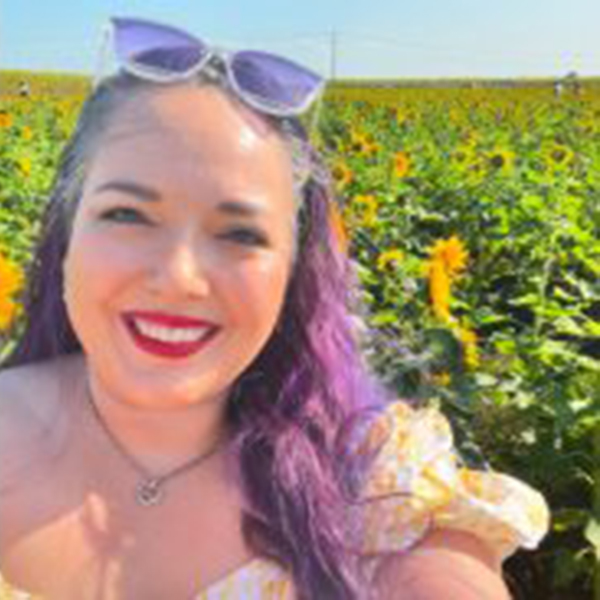
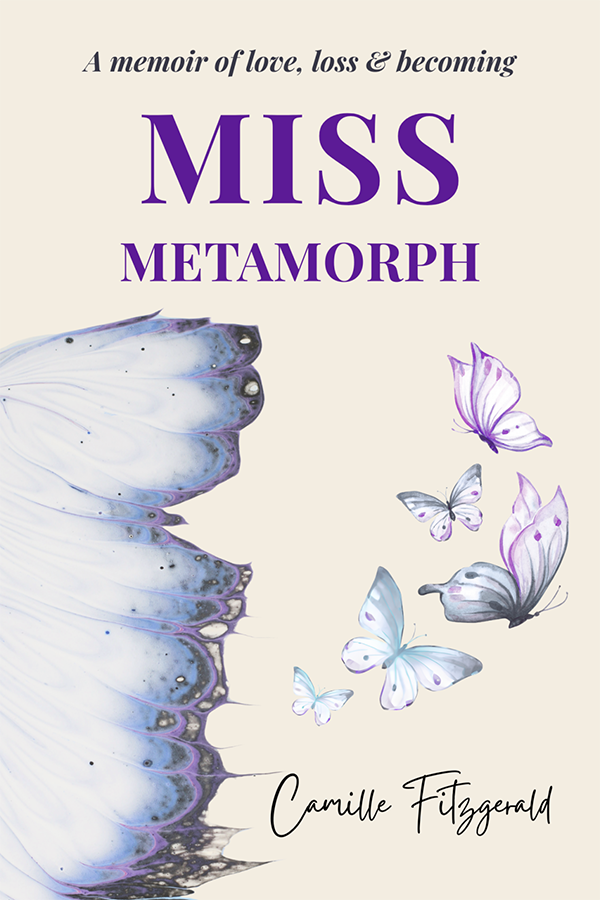
Interview with Australian Author – Camille Fitzgerald
“Australian Authors” – Tell us a little about yourself? Perhaps something not many people know?
Camille – I speak three languages. Spanish is my first. I was actually born in the US to South American parents, and am now a dual citizen (US/Australia).
“Australian Authors” – What made you want to become a writer?
Camille – I have written for as long as I can remember. I can recall writing short stories as a teenager. I’ve been wanting to write my life story for nearly two decades and suddenly I had to opportunity to do so, and Miss Metamorph was born.
“Australian Authors” – What gives you inspiration for your book(s)?
Camille – My recent debut is a memoir. This story practically burst out of me last year, and just needed to be written. I weaved in journal entries from my late mother’s diary, and I like to think that it has made it incredibly unique.
“Australian Authors” – Now, the big question, are you working on another book?
Camille – Yes! I’m actually working on a speculative fiction right now. It’s more of a utopian dystopia romance and I’m so excited to dive back into writing fiction after living and breathing my memoir.
“Australian Authors” – What genres do you prefer to write in?
Camille – Fiction and romance were always my go-to when I was younger. Writing my memoir was empowering, cathartic and a gift of hope to its readers. I am so proud of finally fulfilling that dream.
“Australian Authors” – What do you think about the ebook revolution?
Camille – I will forever be a physical copy book lover, but I also understand that the cost of living is high, and printing costs have become prohibitive, especially for a small indie author. I love the convenience of reading on a device, and think if the choice is between not reading or reading ebooks, I wholly support ALL types of reading–audiobooks included.
“Australian Authors” – Do you start a book with a definite plot, or do you just write?
Camille – With my memoir, shaping it into something cohesive was both interesting and challenging. With fiction writing, I have a loose plot, but prefer to just write and see what comes out of me.
“Australian Authors” – Pen or type writer or computer?
Camille – Computer! Nothing beats the speed and ease of corrections, edits and shifting things around.
“Australian Authors” – Do your characters seem to hijack the story, or are you always in control?
Camille – I am always in control! Not too dissimilar to my real life.
“Australian Authors” – Are your characters based on real people or completely imagined?
Camille – My memoir is all based on real people, but everyone (except me) was deidentified for privacy reasons. For my fictional writing, I think my characters are often a combination of people I have met.
“Australian Authors” – Have you thought about joining with another author to write a book?
Camille – No, that doesn’t interest me at this point. Too much of a control freak, I suppose! Also the logistics of timelines, scheduling and editing together sounds like a real headache.
“Australian Authors” – Who are your favourite authors?
Camille – Isabel Allende, Tara Westover, Sarah J Maas, Tolkien, George R.R. Martin
“Australian Authors” – What’s your advice to Authors? On writing? Publishing? Marketing?
Camille – There is so much information out there – make sure you utilise it! I loved dealing with Ingram Sparks (for printing and distributing) and Reedsy for formatting and writing. It has been a steep learning curve, but stay flexible and curious and it pays off.
Interview with Australian Author – Pauline Yates
“Australian Authors” – Tell us a little about yourself? Perhaps something not many people know?
Pauline – I’m a late starter in the writing world. I’ve always had a passion for reading and writing, and like most authors, I have a secret collection of handwritten, partially finished stories hidden away in the bottom of a drawer. I got serious once my youngest child started school and I had some more me-time. I wrote three novel drafts, and then switched to short story writing to improve my craft. The short story publications helped to build my author profile. They also gave me valuable insight into the publishing industry. I then returned to the first novel draft, finished it, and published it as my debut novel when I was 52.
“Australian Authors” – What made you want to become a writer?
Pauline – I love telling stories. But telling a story and writing a story are two different things. Writing is a challenge to show in words the story I want to tell, and I love a challenge.
“Australian Authors” – What gives you inspiration for your book(s)?
Pauline– My characters. I’ve spent years developing and understanding my characters and feel it’s my job to reveal their life stories.
“Australian Authors” – Now, the big question, are you working on another book?
Pauline– Yes. Always. And if not a book, a short story, or a poem. I like having multiple projects on the go, so if I get stuck on one, I can jump into another. Writing is like a muscle. You need to work it if you want to get better at it.
“Australian Authors” – What genres do you prefer to write in?
Pauline – My strengths lie in horror and science fiction, or a blend of the two. Anything dark and speculative draws me in. With a dash of romance if the characters take me that way.
“Australian Authors” – What do you think about the ebook revolution?
Pauline – Nothing will ever replace a book, holding it, flipping through the pages, the smell of the paper and ink, sinking into the armchair, eyes glued to the page. But I can only fit so many books in the bookcase. Ebooks come with benefits. I can try a new book without outlaying too much money. I can read it straight away. I can buy multiple ebooks for the same price as a paperback. If I really love an ebook, I will buy the paperback or hardcover because of all the reasons above. We live in a digital world, and ebooks have their place. And space on my ebook bookshelf is limitless.
“Australian Authors” – Do you start a book with a definite plot, or do you just write?
Pauline – I usually have a basic plot, but sometimes the characters take over and tell me the story they want told, so I am open to changing direction if needed.
“Australian Authors” – Pen or type writer or computer?
Pauline – I’ve used all three. I love pen and paper for deep-dive planning. I grew up using a typewriter, and I don’t miss the carbon paper. My laptop has become an extension of myself and is where I write most.
“Australian Authors” – Do your characters seem to hijack the story, or are you always in control?
Pauline – I’ve had plenty of characters take charge. It’s their story, so who am I to argue?
“Australian Authors” – Are your characters based on real people or completely imagined?
Pauline– Completely imagined. Though some character traits may be drawn from people I know.
“Australian Authors” – Have you thought about joining with another author to write a book?
Pauline – No. Everyone’s imagination is unique, and I think there’d be too much clashing of ideas or loss of author voice.
“Australian Authors” – Who are your favourite authors?
Pauline– I grew up reading Stephen King, so I love his earlier books. Misery is probably my favourite. I also love YA books, and enjoy Richelle Mead and Veronica Roth. And I enjoy Matthew Reilly and his fast-paced action scenes.
“Australian Authors” – What’s your advice to Authors? On writing? Publishing? Marketing?
Pauline– On writing – write every day. Writing is like a muscle and you need to keep it in shape.
On publishing – there is no one way to publish. Self-publishing, small press, traditional Big 5 – they are all options. Ultimately, choose the path that you trust the most.
On marketing – like publishing, there are multiple marketing avenues. Some work. Some don’t. A must have is an author platform – a website, author profiles etc. Make it easy for readers to find you.
Click Image for more about Pauline
Interview with Australian Author – Gemma Hutchison
“Australian Authors” – Tell us a little about yourself? Perhaps something not many people know?
Gemma – I’m Gemma — South Aussie author, chaos enthusiast, and proud wrangler of three dogs who are definitely plotting against me. My life is basically organised chaos: if I’m not scribbling down fantasy worlds at 2am, I’m on an oval trying to convince a pack of under-10s girls’ footy players that mud wrestling isn’t actually a training drill, or running around with Girl Guides who could probably overthrow a small government if I let them.
Something not many people know? I’m dyslexic. For years I thought that meant I couldn’t be a writer — now I’ve got two published books, a lot of caffeine in my bloodstream, and a very stubborn streak that refuses to quit. Spelling might defeat me daily, but storytelling? That’s where the chaos really pays off.
“Australian Authors” – What made you want to become a writer?
Gemma – What made me want to become a writer? Honestly — getting hit with a completely random brain tumour diagnosis as an adult. Nothing makes you rethink your life choices faster than a doctor saying, “So… there’s something in your head that shouldn’t be there.”
It was a huge wake-up call. I realised I didn’t want to waste time waiting for the “perfect moment” to chase what I loved. Writing had always been in the back of my mind — all those stories and chaotic worlds piling up — and that diagnosis shoved me straight into it. Dyslexia or not, I figured if my brain wanted to betray me like that, the least I could do was use it to tell the stories living rent-free up there.
“Australian Authors” – What gives you inspiration for your book(s)?
Gemma – Pretty much everything. A random song lyric, an overheard conversation, a weird dream at 3am — my brain hoards chaos and then turns it into stories. I’m one of those people who can be out walking the dogs or at footy training and suddenly think, “What if this was a scene in a book?” and then I’m gone.
A lot of my inspiration also comes from asking “what if?” What if the worst thing happened and you survived it? What if love was both dangerous and irresistible? What if stubbornness could save you when nothing else could?
Basically, my books are fuelled by equal parts imagination, daydreaming, and a healthy dose of chaos.
“Australian Authors” – Now, the big question, are you working on another book?
Gemma – Oh, always. My brain doesn’t really do “off switch” — the characters are far too loud for that. I’ve got another book in the works right now, full of the usual mix of chaos, sharp edges, and probably too many late-night plot twists.
I can’t say too much yet (spoilers!), but yes — there’s definitely more coming. Let’s just say my coffee intake is high, my sleep schedule is questionable, and my Google search history would probably get me arrested. All part of the process.
“Australian Authors” – What genres do you prefer to write in?
Gemma – I love writing in the messy middle of fantasy and romance — where there’s magic, danger, and a whole lot of feelings. One series leans into romantasy with fae courts, politics, and sweeping worldbuilding. The other? A darker, reverse-harem romance that’s pure chaos, sharp edges, and way too much tension to be healthy.
Basically, if it’s got magic, love, danger, or unhinged characters making terrible choices — I’m there. I like stories that are intense, a little wild, and not afraid to get their hands dirty.
“Australian Authors” – What do you think about the ebook revolution?
Gemma – Honestly? I think it’s brilliant. Ebooks have made reading so much more accessible — you can carry an entire library in your pocket, buy a book at 2am in your pyjamas, and no one has to know if it’s a high-fantasy epic or absolute smut. (Mine’s usually both.)
That said, I’ll always have a soft spot for physical books — nothing beats the smell of paper or seeing your own book on a shelf. But the ebook revolution has opened doors for indie authors like me, and it means readers can find stories they might never have stumbled across in a bookstore.
So really, I’m pro both: ebooks for the convenience, paperbacks for the chaos of dropping them on your face when you fall asleep reading.
“Australian Authors” – Do you start a book with a definite plot, or do you just write?
Gemma – Plot? I’ve heard of her.
Honestly, I start with characters and vibes. A line of dialogue, a scene, or just the feeling of “this could get messy in the best way.” From there, I let the chaos take over and the story unravels as I write. My characters are stubborn little gremlins anyway — half the time they ignore my plans and drag me somewhere completely different.
That said, I do keep a loose roadmap in the back of my head. I know the big emotional hits, the starting point, and where I want to end — everything in between is usually me winging it at 2am with too much coffee.
So the short answer? A bit of both… but mostly chaos.
“Australian Authors” – Pen or type writer or computer?
Gemma – Computer, definitely. My spelling is questionable enough that I need autocorrect just to survive. If I tried to rely on a typewriter or pen, even I wouldn’t be able to read my own chicken scratch.
That said, I do keep a notebook on me at all times — it’s full of half-legible scribbles, random dialogue, and ideas that usually hit at the worst possible moment. It looks like chaos to anyone else, but it makes perfect sense to me (most of the time). The real magic happens once I wrangle all that mess onto my laptop.
“Australian Authors” – Do your characters seem to hijack the story, or are you always in control?
Gemma – Oh, my characters hijack the story constantly. I’ll sit down thinking, “Right, we’re going this way,” and then suddenly they’ve decided to stab someone, kiss the wrong person, or reveal a secret I didn’t even know they had. I’m basically just along for the ride at this point.
I like to pretend I’m in control — I’ll sketch out a loose plan, some big emotional beats, maybe even the ending. But my characters? They’re stubborn little gremlins. Half the time, I’m just chasing after them with coffee, trying to keep up while they rewrite the book under my nose.
So, in short: I think I’m in control… until they remind me I’m not.
“Australian Authors” – Are your characters based on real people or completely imagined?
Gemma – Mostly imagined… but with little stolen bits of real life sprinkled in. I don’t base characters directly on people I know (too risky — they’d probably recognise themselves and come for me), but I definitely borrow quirks, habits, or even a line of something funny someone once said.
The heart of my characters is completely fictional — they’re their own chaotic selves — but the small details, the way someone taps their fingers when they’re nervous or the way a friend once rolled their eyes? Those things sneak in. Real life is full of inspiration, and my brain is a magpie for it.
So: imagined, but with a dash of real-world chaos thrown in.
“Australian Authors” – Have you thought about joining with another author to write a book?
Gemma – I have thought about it, yeah! Writing with another author sounds like equal parts fun and chaos. The idea of blending two completely different brains, styles, and characters into one story? Could be absolute magic… or absolute mayhem. Which, honestly, sounds kind of perfect.
At the moment, I’ve been focused on building my own worlds (and wrangling my very bossy characters), but I’d never say no to the right collab. Writing’s already wild enough on your own — add another author and it’d be double the stubbornness, double the creativity, and probably double the caffeine bill.
And welcome to the madness of writing! Being “new” just means you’ve got a whole adventure ahead of you — trust me, it’s chaotic, but it’s worth it.
“Australian Authors” – Who are your favourite authors?
Gemma – That’s always such a hard question, because my list changes depending on the day (and my mood). But some favourites that never leave the list are Sarah J. Maas for her sheer ability to make me scream at 3am, Jennifer L. Armentrout because her banter and romance are chef’s kiss, and Leigh Bardugo for her gorgeous, gritty worldbuilding.
I’ve also got a soft spot for indie authors — the ones who are out there building magic from scratch and throwing their chaos into the world. They constantly inspire me.
Basically, my “favourites” shelf is a mix of big names, indies, and whoever most recently broke my heart with a plot twist I didn’t see coming.
“Australian Authors” – What’s your advice to Authors? On writing? Publishing? Marketing?
Gemma – On writing:
Just write the damn thing. Don’t wait for the “perfect time,” don’t overthink it, and definitely don’t edit every sentence to death before moving on. Get the messy draft down — chaos first, polish later.
On publishing:
Do your research, know your options (traditional vs indie), and choose the path that fits you. Both have pros and cons, and neither is “easy.” Be prepared for rejection, delays, and the occasional “what am I even doing?” spiral. That’s normal.
On marketing:
This is the part no one warns you about: it’s basically a second full-time job. But here’s the thing — readers connect with people, not just books. Be yourself. Share the chaos, the behind-the-scenes, the funny bits of your life. Yes, talk about your book, but don’t be afraid to let people see you. (Also: TikTok is both a blessing and a curse. Proceed with caffeine.)
Biggest advice? Stubbornness beats doubt. Your words are worth sharing, and there’s an audience out there waiting for them — you just have to keep pushing through the chaos to find them.
